


Education technology can easily seem like a byproduct of modern times as the generative AI era actively reshapes teaching and learning. With smart phones, smart boards, and access to technology like never before, it’s easy to forget that education technology has a long history that predates today’s classrooms.
From the chalkboard slates and blackboards of the 18th and 19th centuries to today’s interactive white boards and projectors, education technology has evolved in ways that support educators and students to meet learning objectives across every era. Here, we’ll explore a brief history of education technology, common tool categories, and why adopting quality EdTech matters now more than ever.
What is Education Technology?
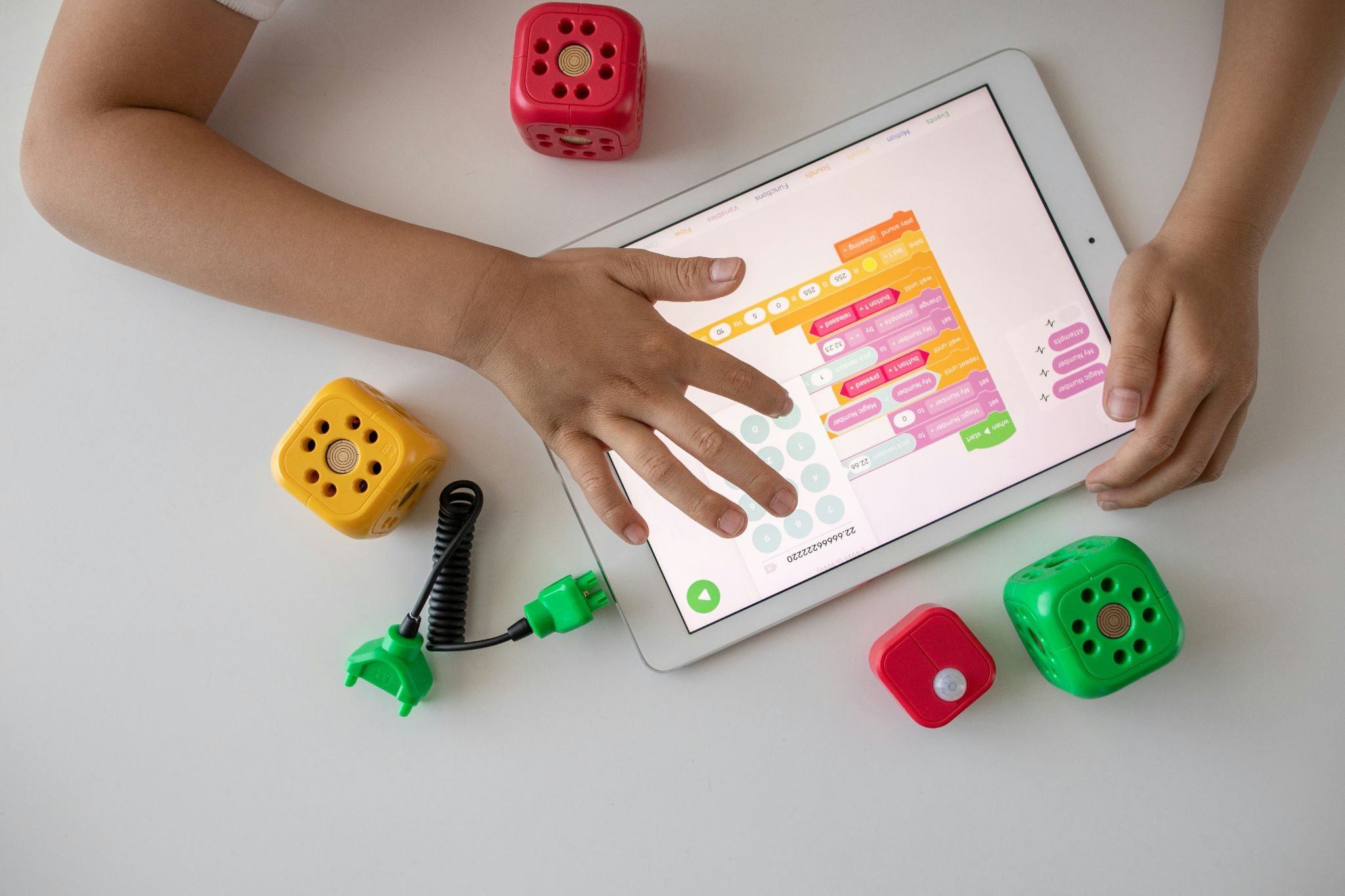
Education technology is the combination of technology used to enhance teaching and learning. Historically, that ranges from chalkboard slates and textbooks to projectors and film, to computers and AI. Combined with effective pedagogy, education technology provides educators with the appropriate tools to deliver high-quality instruction.
Brief History of Education Technology
While the word “technology” is commonly associated with screens today, of course, screens haven't been around forever. Therefore, a broader definition of education technology includes all resources required to improve learning outcomes.
Here’s a quick look at the evolution of education technology over time.
Pre-Audiovisual Era
1450s: Introduction of the movable type printing press and widespread printed materials
1500s: Hornbooks, or wooden paddles showing the alphabet, helped teach children to read
Late 1700s-early 1800s: Sandboxes gave students a reusable surface to practice letters and numbers before slates
Early 1800s: Large classroom chalkboards supported whole-class instruction
Audiovisual Era
Roughly late 1800s-mid 20th century: Technology expands to include photographs, phonographs, lantern slides, and film
Computer Era
1950s-1990s: Personal computers, computer-assisted instruction, and educational software entered the scene
Internet/Digital Era
1990s-2010s: Classrooms discovered the web, learning management systems, online courses, interactive whiteboards, mobile devices, and cloud-based tools
AI Era
2010s-present: Generative AI, AI tutors, personalized learning, automated feedback, and performance tracking entered classrooms
The evolution of education technology is truly a sign of the times, but one thing remains consistent across timelines: the objective. EdTech aims to support educators, improve instruction, and help students learn using available technologies. Pretty neat.
Still, with more available technology than society has seen before, the need for discernment around effective EdTech implementation has also increased over time. Rapid tech evolution, alongside the sheer amount of EdTech tools on the market today, can increase demands around onboarding, training, and deployment. It can also create more urgency for administrators, teachers, and parents around learning what their students (or children) are interacting with in and out of school.
Though technology can cause overwhelm, when adopted strategically, the impact is streamlined workflows, scalable success, and improved learning outcomes. There are some notable categories to support this implementation; let’s explore those now.
Common Education Technology Categories

With the market expected to hit $456.21 billion in value by 2030, education technology is clearly alive and well. Education technology categories are based on the role that different types of educational products and tools serve. These categories are defined by the following criteria.
Learning Management System
Learning management systems, or LMSs, are software platforms used to deliver, manage, and track learning all in one place. In everyday use for educators, this can look like:
- Reusing and editing assignments and course materials
- Grading (or auto-grading) assignments
- Assigning homework
- Tracking progress with analytics
- Managing class rosters and data
- Creating quizzes and assessments
- Identifying learner gaps
Ideally, learning management systems integrate with other tools to combat juggling multiple individual apps and platforms. WeVideo’s dynamic video learning platform, for example, seamlessly syncs with dozens of learning management systems to ensure tech compatibility. The last thing admin or educators need is to spend time troubleshooting or revamping systems while teaching.
Assessment
One of the most evolved components of education technology today is the ability to assess progress throughout the learning experience. Effective EdTech has assessment tools for personalizing learning, delivering targeted feedback, branching pathways, and more.
Examples of assessment tools include:
- Quizzes and polls
- Rubrics
- Surveys
- Certifications
- Project evaluations
Digital assessment tools make it especially easy for educators to teach with data, make measured decisions, identify knowledge gaps, and remediate to scale.
Communication
COVID-19 accelerated the adoption of remote and distance learning, hybrid learning, and other technologically-supported learning approaches. That’s why nurturing critical life skills, like communication, are one of the main categories of effective education technology.
Fostering communication with EdTech might look like:
- Assigning projects that encourage student voice and creativity
- Encouraging collaborative research projects
- Incorporating multimedia such as podcasts, green screen effects, or screen recording tools
- Enhancing video content with interactive video tools
Video-based learning is a strategic way to support communication; doing so also promotes critical-thinking, collaboration, and creativity as well.
Content Creation Tools
One way to streamline workflows for both educators and students is by implementing hardware and software that supports content creation. This may look like using:
- Tablets, laptops, or desktop computers
- Interactive whiteboards to present engaging visual information
- Webcams for recorded lessons, lectures, or learner-made assignments
- Green screen effects for screencasting or creative video projects
- Microphones for podcasts, voiceovers, and presentations
- Animation and digital storytelling tools
Though education technology isn’t limited to classroom applications, learning environments can foster uncapped potential with the appropriate content creation tools in place. Of course, poor implementation can create more stress, and not using it all can lead to stagnant learning outcomes.
That’s why using a user-friendly, all-in-one video learning platform alongside a compatible learning management system makes it easy to deliver meaningful (and measurable) learning experiences.
Important EdTech FAQs
Whether education technology is new to you or your learning environment, here are some helpful answers to common EdTech questions.
Is educational technology only for schools and universities?
Nope! Educational technology encompasses tools designed to enhance learning across various environments. Beyond K-12 and higher ed, EdTech is also utilized in corporate learning environments, leadership training, professional development, and online learning programs.
How can education technology help teachers?
Education technology supports teachers in safely implementing AI-powered tools, providing differentiated instruction, tracking and assessing learner progress and gaps, and facilitating active learning more effectively regardless of the environment.
Does education technology replace teachers?
Absolutely not. Education technology is a huge ally and resource designed to support teachers (and admins and other users, too) — not to replace them entirely.
How can parents evaluate EdTech tools?
Parents can begin by considering which tools are age-appropriate, easy to use, and supportive to their child’s learning style and needs. Questions to ask may include:
- What’s the purpose for this learning tool?
- What goals can it support my child to achieve?
- Is it intuitive?
- Is there a steep learning curve?
- How does it use learner data?
- Is there a cost to use it?
Practicing digital literacy skills and safety online should always be top priority. Monitoring screen time is also a critical component to finding balance and combatting fatigue in a screen-dominant society.
What skills do students develop through EdTech?
Depending on how the EdTech is implemented, there are countless skill development opportunities for learners. Some of these include:
- The Four Cs of learning: Critical thinking, communication, creativity, and collaboration
- Self-directed learning and empowerment
- Digital and media literacy
- Technical skills
- Video creation and multimedia skills
Adopt Your Ideal EdTech Stack with WeVideo

If history’s any indication of how much can change over time, it emphasizes the importance of adopting sustainable EdTech strategies to keep pace with rapid advancements in education. May this complete guide to educational technology also serve as a foundation for creating impactful instructional design curricula, making data-driven decisions, and activating learning beyond traditional, passive learning methods.
Curious how WeVideo can boost learning outcomes in your classroom? Whether you’re just starting with EdTech, looking to switch platforms, or want to know more about delivering quality instruction with evidence to support it, we’re here to help. Reach out to us today!
See more related content: