


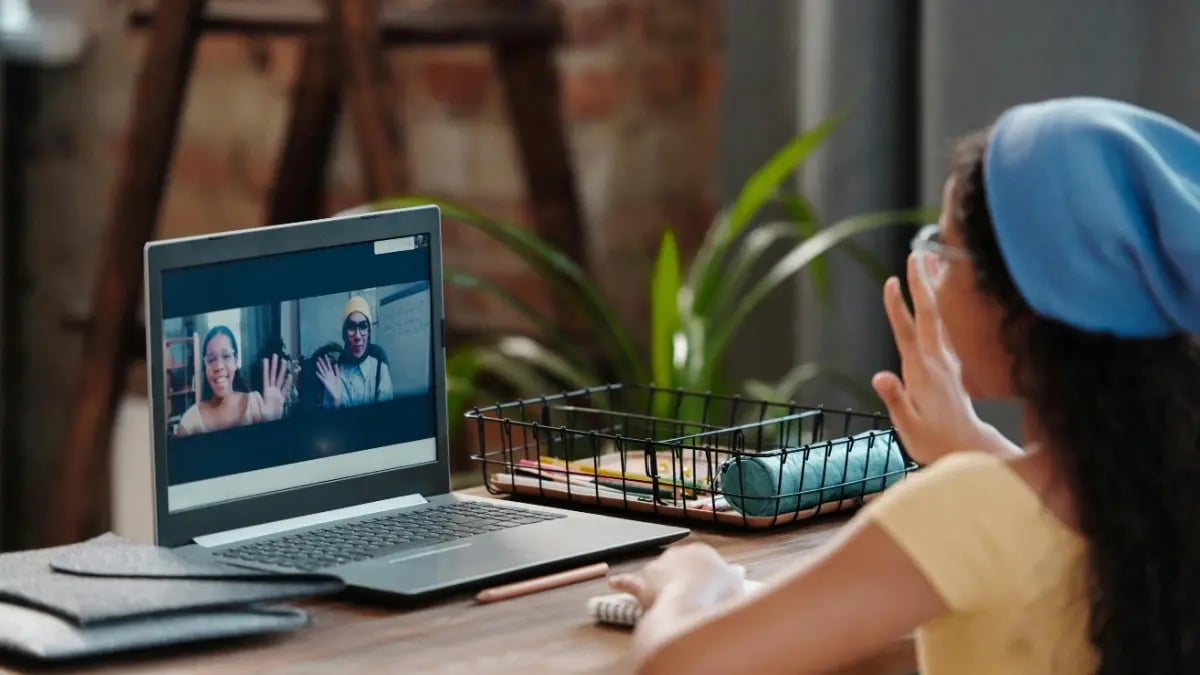
With student burnout on the rise and attention spans lacking, we understand why educators are looking at screen time as a top culprit. Though screen time fatigue is a real and valid issue for educators, the reason behind it isn’t what most people think.
The frequency of technology use isn’t the main cause for concern, the quality is. Passive screen watching, standard video demos, and basic instructional videos aren’t supporting learner outcomes, focus, or engagement.
So, what’s the solution to combating screen fatigue in schools? Digital learning balance. This means reducing ineffective screen time while implementing more effective classroom engagement strategies.
Here, we’ll cover:
- How to identify screen fatigue in students
- 5 ways to achieve digital learning balance
- Reach every student with video learning
How to identify screen fatigue in students
Screen time fatigue symptoms are intuitive. Signs may include:
- Generalized disengagement
- Multitasking
- Decreased attention span
- Low knowledge retention
- Lack of motivation or academic goals
Screen fatigue in schools often stems from chronic use, long sessions, and passive consumption. Therefore, it’s safe to say the antidote involves strategic use, shorter sessions, and active participation.
In order to implement this solution, educators must know that not all screen time is the same. When used correctly, screen time and learner engagement actually go hand in hand.
Simply, the screen fatigue experience is exactly as it sounds: Too much staring at screens. Adopting an effective strategy for video learning, however, optimizes video as a tool designed to enrich learning, not take away from it.
5 ways to achieve digital learning balance
Easily rework lesson plans to enhance learning with video using these top classroom engagement strategies.
1. Break long sessions into targeted activities
Instead of 45-minute sessions of consuming content, have students create for 10-15 minutes at a time. Whether for GIFs, video haikus, animated videos, or truly anything else, creating with multimedia makes it easy to foster engagement.
2. Incorporate interactive video elements
Enhance any lesson with features designed to capture and keep engagement. Insert interactions like multiple-choice, fill-in-the-blank, auto-generated video questions, polls, and more to guide and monitor understanding.
3. Assign collaborative projects
Students need less intake and more demonstration. Assign group research projects, partner work, or project-based learning activities for more hands-on participation.
4. Blend online and offline learning
Blended learning is an effective way to achieve digital learning balance by combining face-to-face learning with digital tools. Some blended learning ideas include:
- Learner-made instructional videos
- Morning meeting video check-ins
- Book trailers
- Stop-motion videos
- Screencast videos
- Group storytelling projects
- End-of-lesson video reflections
- Concept explanation videos
Blended learning supports the discussion, creation, reflection learning loop. Plus, due to the flexible nature of video learning, assignments can easily be customized to match any subject, grade, or learning style.
5. Adopt microlearning mindsets
Student attention spans in classrooms have birthed what’s called “microlearning.” Make complex principles digestible in 30 minutes or less. Delivering better instruction for shorter periods of time versus passive instruction for longer is simply more supportive for managing screen fatigue in schools today.
Reach every student with video learning
Educators don’t need to eliminate tech — they need to design better learning experiences around it. The good news? Video learning not only creates more learning opportunities, it creates better ones.
Passive learning compromises outcomes, active learning amplifies them. While it may seem ironic at first to combat screen-fatigued students with screens, video learning is different. There is a proven way to implement video-based classroom engagement strategies and better support today’s burnt out learners.
Curious how WeVideo can help you deepen learning in your classroom? Chat with us!