


It’s safe to assume most, if not all, educators aim to provide impactful learning experiences. However, without substantive frameworks in place to guide that process, educational approaches can remain subjective and abstract. That’s where instructional design comes in.
Instructional design plays a foundational role in education: designing engaging and effective learning experiences through evidence-informed processes. Whether you’re a new instructional designer, work in corporate learning and development (L&D), or need more curriculum design knowledge to support active learning, this guide is for you.
Here, we’ll explore what instructional design is, core models to follow, and best practices for structuring lessons to fuel learning outcomes.
What is Instructional Design?

Instructional design is a systematic process designed to answer the question:
How can instruction be designed in a way that creates engaging and effective learning experiences using the appropriate educational materials, strategies, and evaluation methods to support it?
In other words, instructional design creates a structured experience that aligns instruction, assessment, and learning activities with the intended outcomes.
Of course, there’s not just one right way to design a curriculum — or even five right ways. Amid dozens of sound instructional design approaches, blending several strategies is a wise and innovative approach to learning.
In fact, today’s educational landscape demands leading-edge engagement strategies to compete with rapidly decreasing attention spans, student burnout, and information overload. That’s why instructional design isn’t about creating more information for learners, but designing learning more effectively to reach learners better.
5 Prominent Instructional Design Models
Here are five different instructional design models used to design (and define) effective learning experiences.
1. ADDIE
ADDIE is one of the most well-known frameworks in instructional design, offering an easy-to-remember acronym for big-picture learning processes. It stands for:
- Analyze: What are the learner needs and how are those needs assessed?
- Design: How does the course design reinforce learning based on the objectives?
- Develop: What learning materials, interactive assignments, and projects improve learner development?
- Implement: How is the instruction delivered to learners?
- Evaluate: How successful is the implementation? What changes are needed?
ADDIE is a critical go-to for organizing large instructional design projects.
2. Merrill’s First Principles of Instruction
Merrill’s First Principles of Instruction (MPI) integrate five learning principles to support delivering effective experiences. Those include:
- Task-centered: Use real-world scenarios to engage learners and promote problem-solving and critical thinking.
- Activate: Use learners’ prior experiences to establish a new foundation for learning. This connects prior knowledge to new knowledge.
- Demonstrate: Use performances, simulations, or case studies to provide clear examples of concepts.
- Apply: Have learners apply their new knowledge to new situations or use it to complete tasks, perhaps in real-world contexts.
- Integrate: Transfer knowledge to new situations and apply them in meaningful ways that demonstrate integration of the skill or concept.
Merrill's First Principles of Instruction focus on tasks and active “doing” to propel authentic practice.
3. Backward Design
Backward design, or Understanding by Design (UbD), is a curriculum-building approach that starts with the end in mind. It prompts a question around what learners should be able to know, understand, or be able to do by the end of the course and then works backward to determine how instruction should be designed to achieve those outcomes.
It follows these three steps:
- Identifies desired learner outcomes
- Determines how learning will be assessed
- Designs instruction accordingly
Backward design is helpful for courses, workshops, curriculum planning, and competency-based learning.
4. Kemp Model
The Kemp model, also referred to as the Morrison, Ross, and Kemp model (MRK), is a more broad-strokes and non-linear approach than a step-by-step model, like ADDIE. It targets nine instructional design elements. They are:
- Identify instructional problems
- Examine learners
- Identify content requirements
- Establish learning objectives
- Sequence the content
- Design instructional strategies
- Design the delivery message
- Develop instruction delivery
- Develop evaluation instruments
Rather than a fixed sequence, the Kemp model looks at the interrelation between these instructional elements and how they work together. This model is most known for its flexibility and interconnected components that can be used in any order.
5. ASSURE
Like ADDIE, ASSURE provides another acronym as a guiding framework for delivering effective learning experiences. It stands for:
- Analyze learners: Identify who learners are, including their attributes and learning styles.
- State standards and objectives: Establish the desired outcomes of the instruction.
- Select strategies, tech, media, and materials: Choose which tools, strategies, and materials best support the instruction delivery.
- Utilize technology, media, and materials: Plan how to use each resource.
- Require learner participation: Decide how to actively engage learners.
- Evaluate and revise: Determine whether the strategies, materials, and instruction were successful as well as what needs improvement.
After exploring each of these instructional design approaches, it’s obvious they share threads of similarity. Consider them best practices for structuring lessons, as well as a critical resource for delivering standards-aligned instruction with confidence.
How Video and Instructional Design Align

Now that the core models and best practices of structuring curricula have been established, the natural progression is putting them into practice. But first, there’s one differentiating instruction strategy that separates standard instruction from dynamic learning.
That is: interactive video.
Simply, passive video consumption and standard textbook learning aren’t sufficiently driving desired learning outcomes — even with instructional design frameworks in place. Interactive video has been proven to 3x the effectiveness of any video. Plus, the right video tools (like WeVideo) easily sync with any instructional design strategy.
The CDC reported that teens aged 13-18 from 2015-2021 averaged 8 hours and 39 minutes of media daily. And given the last five years spent recovering from COVID-19’s impact on education, resulting in the acceleration and prominence of digital and social media use, educational screen time has become non-negotiably more strategic.
While it’s easy to think the solution is reducing screen time in schools to combat fatigue, the solution actually lives in how it’s used. That means using video as a strategy to foster dynamic and engaging experiences. With that, here are some reasons why video and instructional design align. They both:
- Target learning objectives
- Create flexible learning experiences
- Support differentiation for diverse learner needs
- Foster self-paced learning activities
- Empower learner agency, voice, and choice
- Create opportunities for active learning
- Support multiple forms of assessment
- Promote immediate feedback
Since video learning and instructional design share similar goals, it’s easy to scaffold curricula to target desired objectives, meet learner needs, iterate, and scale success. Here are the top three ways to use video in instructional design.
1. Microlearning
Microlearning focuses on short and sweet courses to support knowledge retention with digestible lessons. Courses may bite-size skills with 10 minute lessons, modularized content, or gamified learning.
For example, WeVideo offers microlearning courses to teach concepts with video in 30 minutes or less, with incentive opportunities for learners to get certified.
2. Demonstrations
Video is the perfect way to demonstrate new skills, concepts, or principles with learner-made content. Assign self-made podcast projects, GIFs or memes, collaborative research projects, digital book reports, and more — all possible with WeVideo.
3. Storytelling
Storytelling is a critical aspect of demonstrating knowledge and digital storytelling makes that process more interactive and engaging than ever before. Using video to enhance storytelling skills can promote social-emotional learning activities, self-directed learning skills, accessible and inclusive learning environments, and creative skill development.
WeVideo for Instructional Designers
Using WeVideo’s dynamic video learning platform is a strategic tool for instructional designers, corporate L&D teams, and educators, helping them deliver high-quality instruction via standards-aligned assignments, assessment and analytics tools, and interactive engagement features that deepen learning in every lesson.
Not only is WeVideo aligned with Quality Matters standards for instructional design, but it also follows Bloom’s Taxonomy’s instructional design framework. From K-12 and higher education to working professionals, interactive video lessons help learners:
- Remember
- Understand
- Apply
- Analyze
- Evaluate
- Create
Essentially, all steps of the learning ecosystem are covered from start to finish — ideal for instructional designers targeting desired learning outcomes.
Strengthen Instructional Design with WeVideo
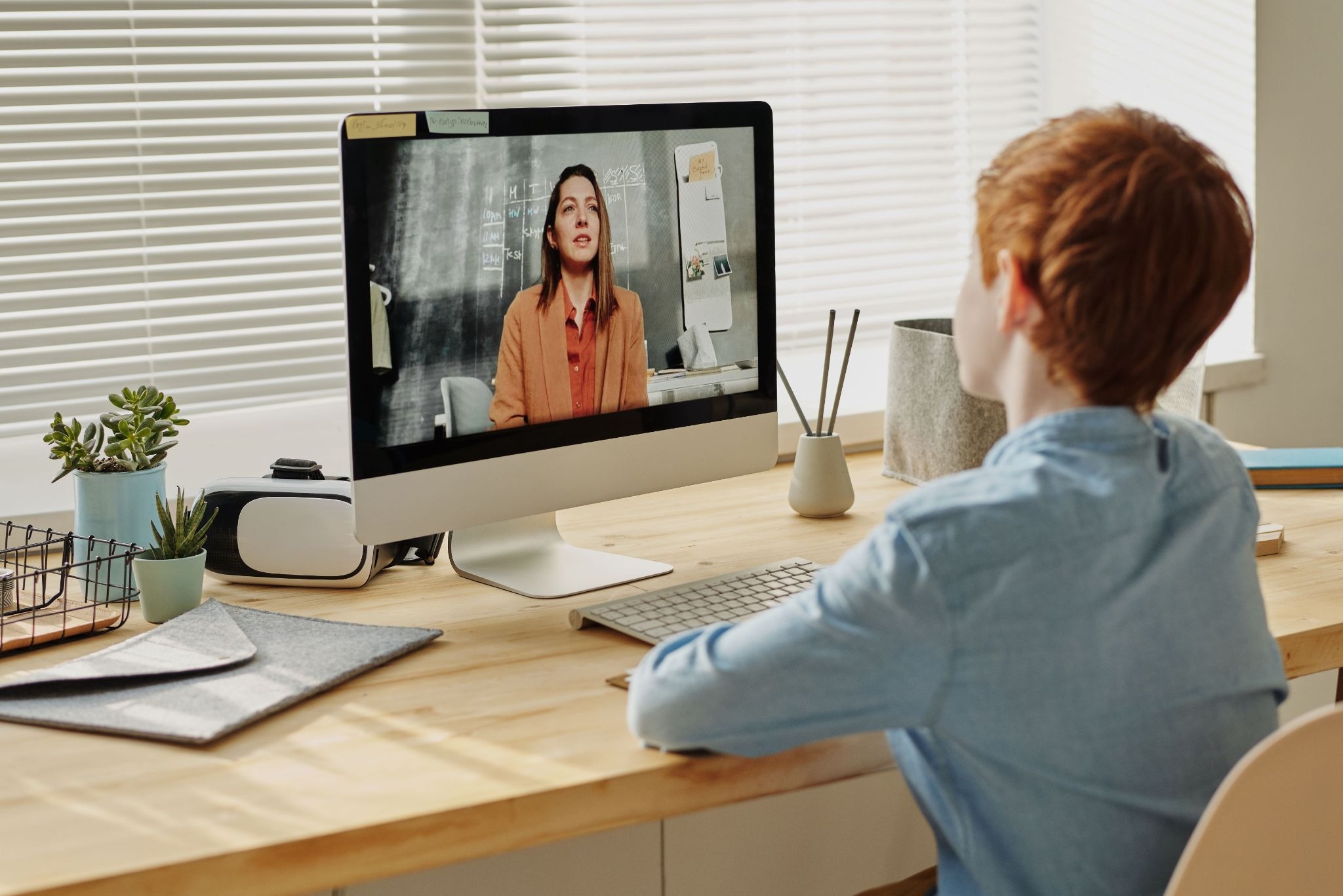
At first, it’s easy to associate instructional design with the technical format or aesthetic of instructional content, but the field encompasses far more than how learning materials look. Though intuitive in its principles, designing curricula using evidence-based approaches for effective learning can quickly overwhelm.
Creating and executing a vision for high-quality learning requires the right education, strategies, and tools to pave the way for success. Curious how to use this new instructional design knowledge with your learners? Reach out to us to see what makes WeVideo the go-to resource for designing curricula in ways that both prove and improve learning for everyone.