


It’s no surprise that student engagement has become a priority for classrooms everywhere, especially post pandemic. In fact, new research shows that 99% of superintendents believe that student engagement is a top predictor of success in school. However, there’s one critical factor influencing student engagement that deserves equal attention: classroom management.
Classroom management is the way in which teachers create and maintain a productive learning environment where students can thrive. Here, we’ll discuss proven classroom management strategies as well as some must-use actionable tips for teachers to implement as soon as today!
Top 5 Classroom Management Strategies
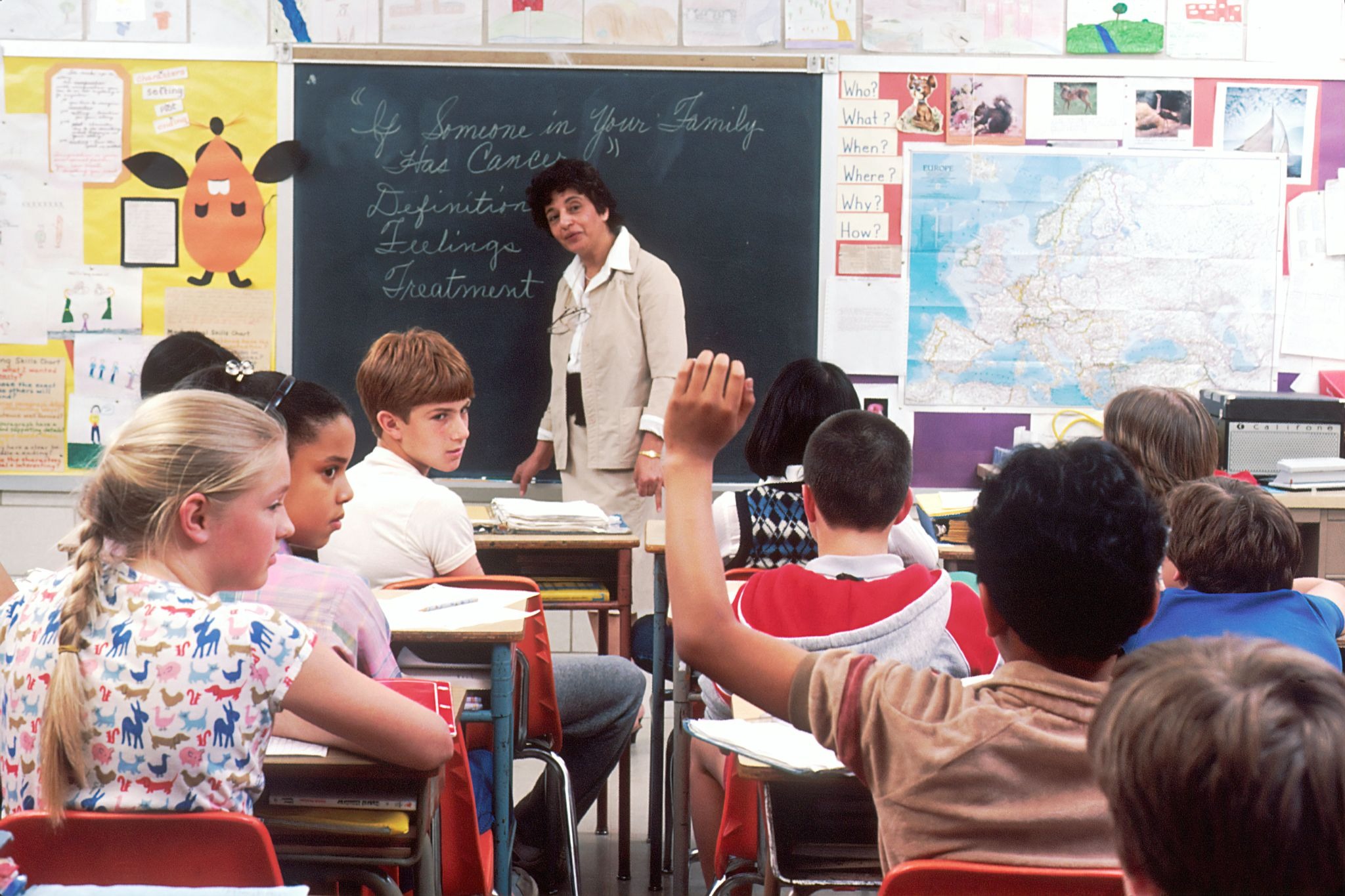
The art of deep learning requires much more than assigning and grading projects. What, then, defines a successful classroom?
Strong classroom management and productivity go hand in hand. It’s important to note, however, that classroom management is not a one-and-done achievement, but an ongoing practice.
Beyond compliance, managing classrooms effectively requires strategic rules, expectations, and routines. This intentional framework exists to create classroom cultures that are respectful, understanding, and synergistic between teachers and students.
Now, let’s take a closer look at the top five classroom management strategies.
1. Curate a Welcoming Environment
While this one seems intuitive, it all comes down to details. Consider how to structure the classroom for optimal productivity. This could look like:
- Inviting colors and engaging wall posters or murals
- A strategic desk setup (rows, half-circles, squares, or whatever encourages presence)
- A welcome message on the board at the beginning of class
- Bright, non-invasive lighting
- Comfortable room temperature
These can be categorized as the “behind-the-scenes” details; things learners may not think consciously register as important, but ones that can absolutely affect performance, engagement, and knowledge retention.
Of course, for distance learning or hybrid learning environments, the definition of “classroom” may span beyond the expected, in-person learning space. COVID-19 demanded flexibility around creating digital classrooms for teachers and students like never before. Classroom-simulating Zoom backgrounds, online learning platforms, and designated quiet spaces were nothing short of necessity.
It’s obvious how much thought goes into fostering a productive learning environment. While desk setups and posters can be changed up from time to time, every decision creates impact.
Flexibility is a critical life skill to nurture, but learners also rely on consistent and stable environments, so don’t overlook the details. They matter!
2. Introduce Routines
Creating a welcome learning environment, in itself, is a routine. And while we don’t encourage the banishment of surprise pop quizzes, necessarily, this routine-breaking learning strategy isn’t known for creating a supportive learning environment, either.
Routines that do create healthy structure may include:
- Keeping the class agenda on the board or somewhere accessible
- Implementing routine breaks where appropriate
- Repeating tasks after doing something correctly to reiterate a new skill or pattern
- Establishing non-disruptive communication signals between teachers and students (a soft wave, pointing at the door, grabbing a pass, or something else)
- Developing transition cues to signal to students subjects are changing, it’s time for lunch, or it’s time to shift from quiet time to group time, to cleanup workspaces, etc.
Ever heard of the “three before me” rule? Some teachers encourage learners to ask three peers their question before approaching the teacher for the answer. This is a type of routine that encourages independence, peer support, and critical thinking skills.
Encouraging various forms of creative communication — beyond teachers verbally cueing students all day every day — can increase efficiency, skill development, and overall classroom flow. If you’re not sure where to start, create broad categories such as:
- Entry routines (what does it look like when students come into class, how do they grow quiet?)
- Verbal communication cues
- Non-verbal communication cues
- Reward system (stickers, badges, points?)
Establishing routines helps reduce distractions, improve communication, clarify expectations, and deepen learning.
Give it a try this week: Garner focus from a noisy or disorganized moment with an if, then” cue like:
- If you can hear me, then touch your head.
- If you can see me, then form a line in front of the door.
- If you can see the board, then give a thumbs up.
- If you need help, then put a pencil on your desk.
Playful cues can redirect or restart attention throughout the day or class.
3. Establish Clear Expectations
While each classroom management technique is beneficial on its own, they also interrelate. For example, clear routines create clear expectations. Letting learners know what to expect each class and throughout the semester supports positive learning outcomes.
Some ways to do this include:
- Use a course syllabus or adjacent framework to set a clear trajectory
- Create a “classroom contract” or determined list of dos and don'ts
- Determine priorities and/or values, such as: positive attitude, being prepared, being on time, respectful communication, etc.
Expectations can also be seen as agreements between teachers and students. This informs positive behavior and classroom etiquette. Some teachers may encourage making a collaborative document that welcomes everyone’s input.
Establishing clear expectations ensures everyone’s on the same page and that standards are consistently upheld.
Give it a try this week: Provide proximity support to redirect attention subtly and effectively. For any disruptive or talkative student, simply stand by their desk and use presence to redirect their attention. This can reduce distractions without having to pause the class to address it.
4. Encourage Positive Behavior
Believe it or not, there’s an invisible component in classrooms that largely affects learning: morale. Positivity truly is contagious, and embracing positive behavior as a standard is critical for successful classroom management. This can look like:
- Fostering peer support, group projects, and peer review opportunities
- Practicing positive mindsets and gratitude
- Using positive reinforcement to reiterate desired behavior
- Adopting reward systems to fuel motivation, optimism, and performance
90% of teachers feel wellness improves classroom behavior. More and more classrooms are adopting mindful and gratitude-centered practices (which also make for creative, learner-made content!). Positivity, like anything, is a practice and there’s no better place to learn it than the classroom.
Give it a try this week: Start class with a one-word check-in. Once everyone takes their seat, ask them to say a word that symbolizes their temperament or energy in that moment. This can also foster a safe culture of social-emotional learning skills.
5. Foster Dynamic Learning Experiences
Last, but not least, one of the most important techniques for effective classroom management is to encourage and facilitate active learning opportunities. Ultimately, this informs the necessary classroom materials, assignments, and content of each lesson.
Dynamic learning experiences can include:
- Collaborative research projects
- Interactive video learning
- Creating podcasts to explore concepts
- Making animated videos
- Using green screens to broadcast school news
More than textbook learning, short-term recall, and passive video consumption, active learning transforms lessons into critical skill development that last far beyond the classroom.
Using Video to Enhance Classroom Management
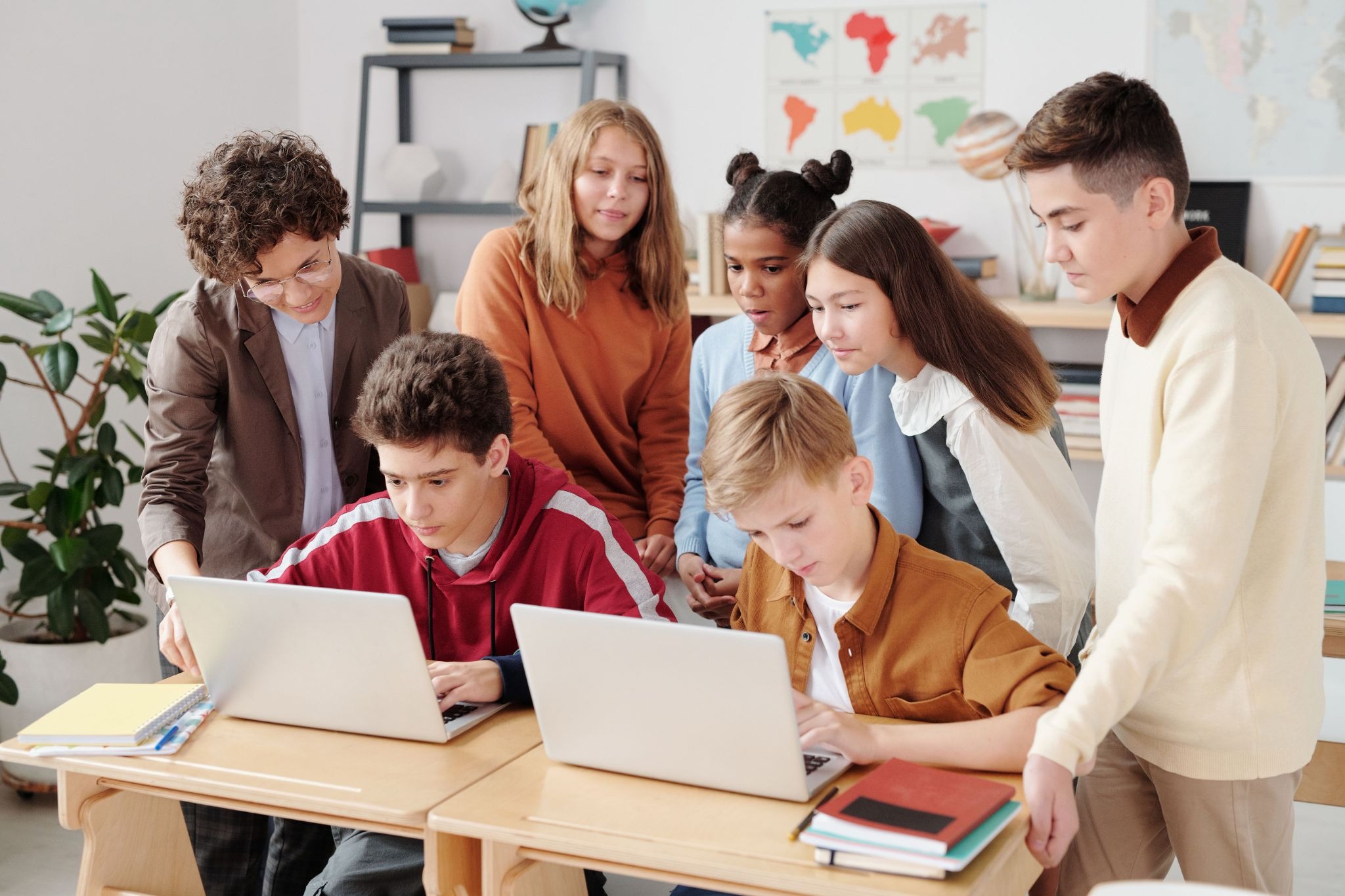
Interactive video learning is a proven classroom management method that fuels learner engagement and performance. Not only does video help teachers easily streamline workflows and scale programs, but it transforms standard lessons into captivating and measurable learning experiences for all types of styles and environments.
How Does Video Increase Engagement?
Interactive video generates three times more engagement than standard video. No matter the subject or grade, video can be used to enhance both teacher instruction and learner-made content. Other benefits of video learning include:
1. Replaces Passive Computer Time with Active Learning
Video makes it easy to enliven any course and replace passive scrolling with active engagement. Plus, using interactive features like polls, quizzes, customizable video questions, reflective pauses, and more helps every type of learner tune in, not out.
With hours of screen time consumed daily, education needs video to foster active versus passive screen time. WeVideo’s interactive video platform helps learners how they learn best — from quieter students, to periodic participators, to those always raising their hands, video tailors learning to support engagement across the board.
2. Provides AI-Proof Assessment
When students have to create videos on what they’ve learned, teachers nurture an AI-proof learning environment. 58% of learners today admit to using AI to dishonestly complete assignments. Video is an effective way to keep learners thinking critically, creating, collaborating, and communicating honestly.
3. Streamlines Classroom Management for Instructors
Simply, video learning gives instructors a place to create, assign, grade, and track multimedia lessons all in one place. Easily customize ready-made templates, assign standards-aligned projects, and monitor progress every step of the way. Deliver instruction confidently with the right tools for seamless integration, easy workflows for everyone, and the outcomes to prove it.
Elevate Classroom Management with WeVideo
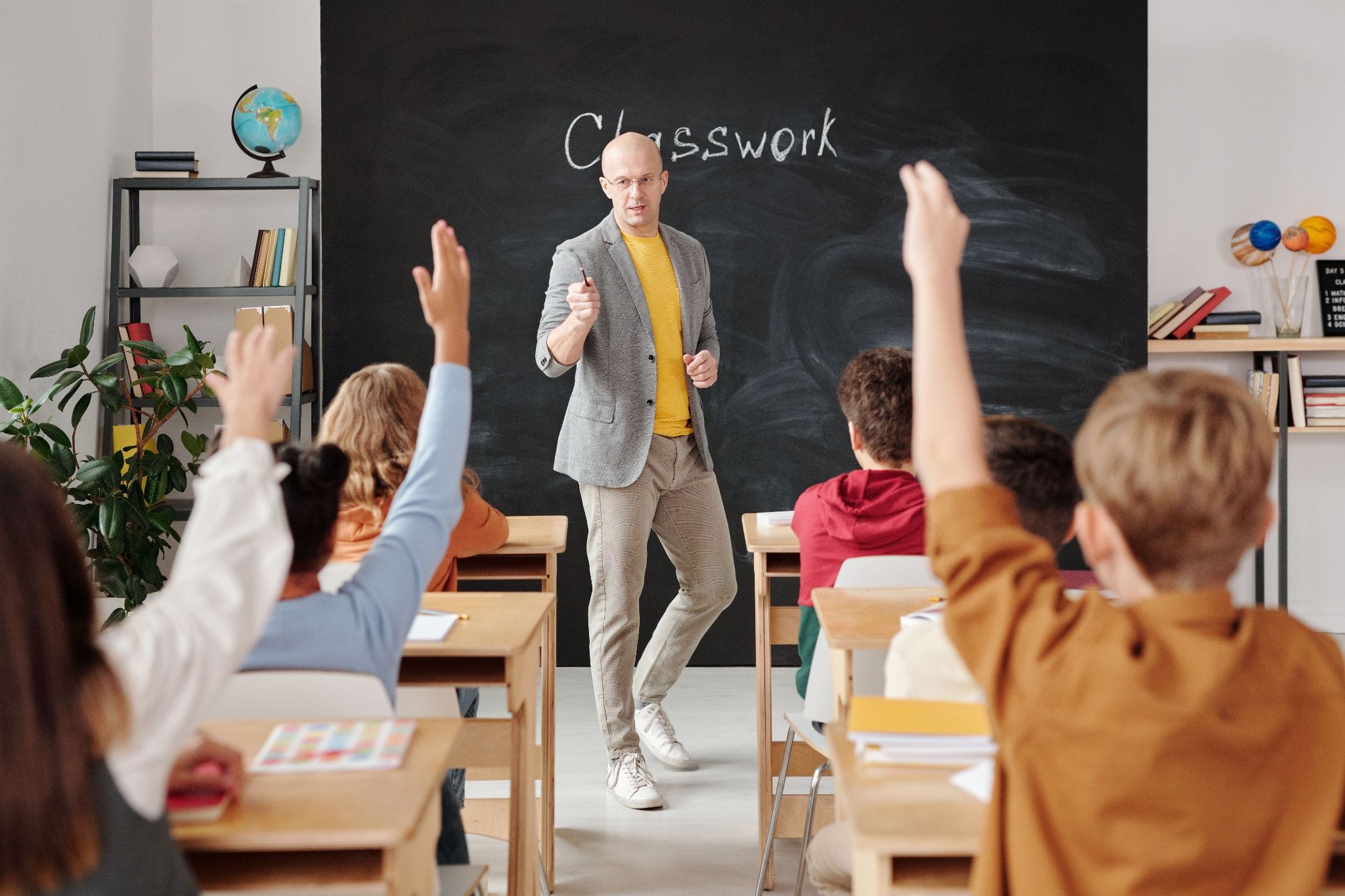
Certainly, classroom management looks different for every teacher and every class. Adjustments can be made based on grade and subject and it’s best to reassess techniques periodically. Take inventory of what works well, what needs improvement, and how to stay innovative as classrooms continue requiring flexible teaching methods.
Wherever you are in your semester or curriculum, know that it’s never too late to improve or refine your classroom management strategies. Curious how WeVideo can support classroom management and measurable outcomes in your classroom? Reach out to us to discover how to enhance your classroom management with interactive video today!